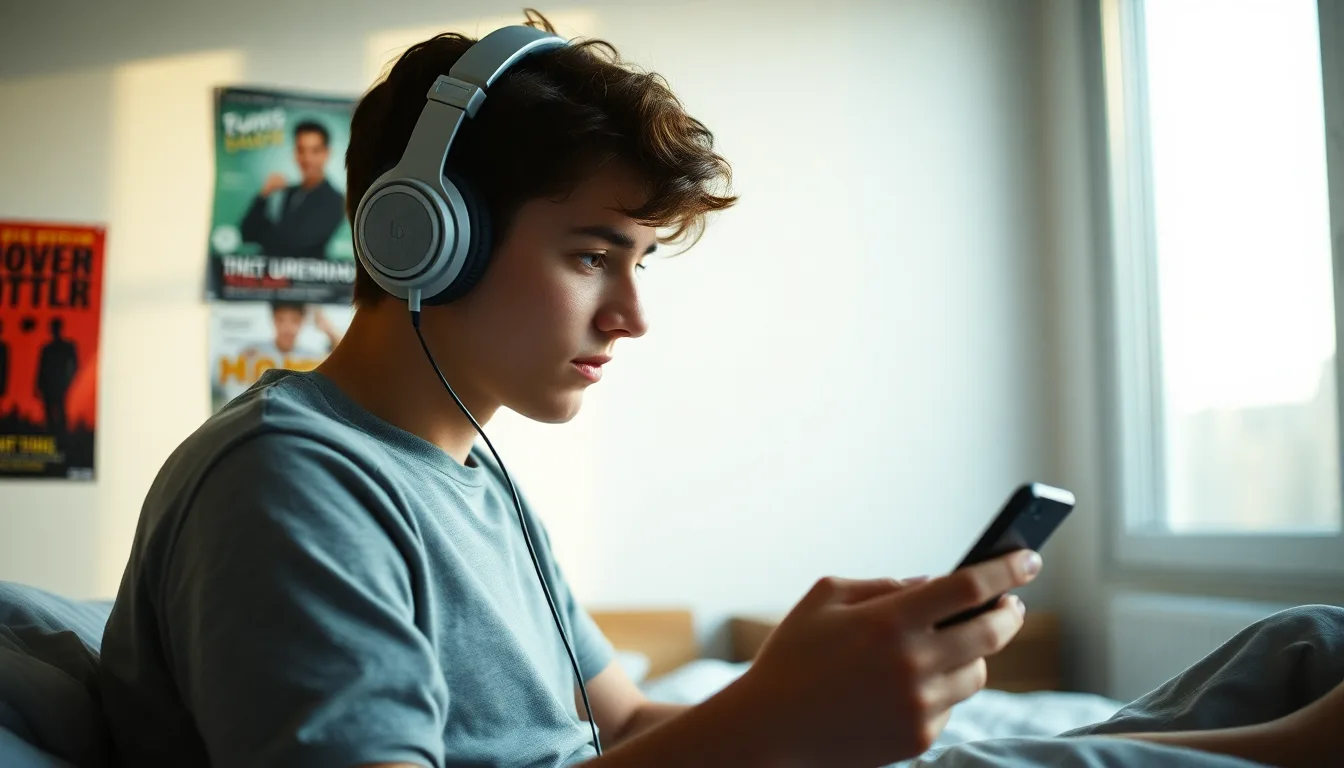
There's a specific thing happening in group chats across cities right now. Someone proposes a thing at 10pm on a Saturday. Three people leave the chat on read. Two people respond with "i'll be asleep lol." One person says "can we do it at 7?"
And we all act surprised. Except we've been becoming these people for about two years and the data is in. Going to bed early is no longer cringe. It is, somehow, the new thing that's hot.
The shift is real
Not long ago, the social signal of staying out until 2am was that you were fun, in-demand, plugged in. The signal of being in bed at 10pm was that you were boring, old before your time, peaked in high school.
That whole dynamic flipped somewhere between 2023 and now. It's not just vibes — it's in the data. Bar traffic in major cities has moved an hour earlier on weekends. Restaurant reservations peak at 6:30 instead of 8:30. The phrase "peak morning person" gets used unironically on Hinge profiles.
What happened?
What changed
A few things, happening at once:
- The burnout correction. A generation that watched its older siblings grind themselves into the ground started paying attention to their own nervous systems.
- Sleep got weirdly trendy. Rings, trackers, morning sunlight, sleep optimization podcasts. Sleep became a wellness brand.
- Alcohol is declining. Younger people drink less. Nights out are shorter. Staying up to 2am for a $16 cocktail started seeming insane.
- The cost of everything. A late dinner and drinks for two is $160 in most cities. An early dinner and a walk is $60. Economics.
- The recovery tax. We collectively noticed that 24 was the last year you could stay up until 3am without losing all of Sunday to recovery. We're tired of losing Sundays.
What it means on dates
Early bedtime as a value shifts what a date looks like.
Dinner moves earlier. Drinks are one round instead of three. The hang either winds down by 11 or converts into staying over. The "let's keep the night going" energy is mostly gone, and nobody's really missing it.
This is a quiet gift. You can tell a lot more about someone by 9:30 on a 7pm dinner than by 1am on an 11pm hang. The earlier date is more honest because neither of you is running on adrenaline and cocktails.
The 9pm litmus test
Early-bedtime culture creates a new date marker: what happens when you get tired. At midnight, everyone is wired or drunk. At 9:30 after a real day, you're meeting the actual person.
Do they get quiet? Do they get mean? Do they get warmer? Do they get funnier because their guard is down? Tired-you on a date says more than hyped-you does.
The new attractive traits
Early-bedtime culture has made certain things, which were neutral before, genuinely hot. Here's the list:
- Going home before 11pm without making it a big deal. A confident exit at 10:45 is way hotter than closing the bar.
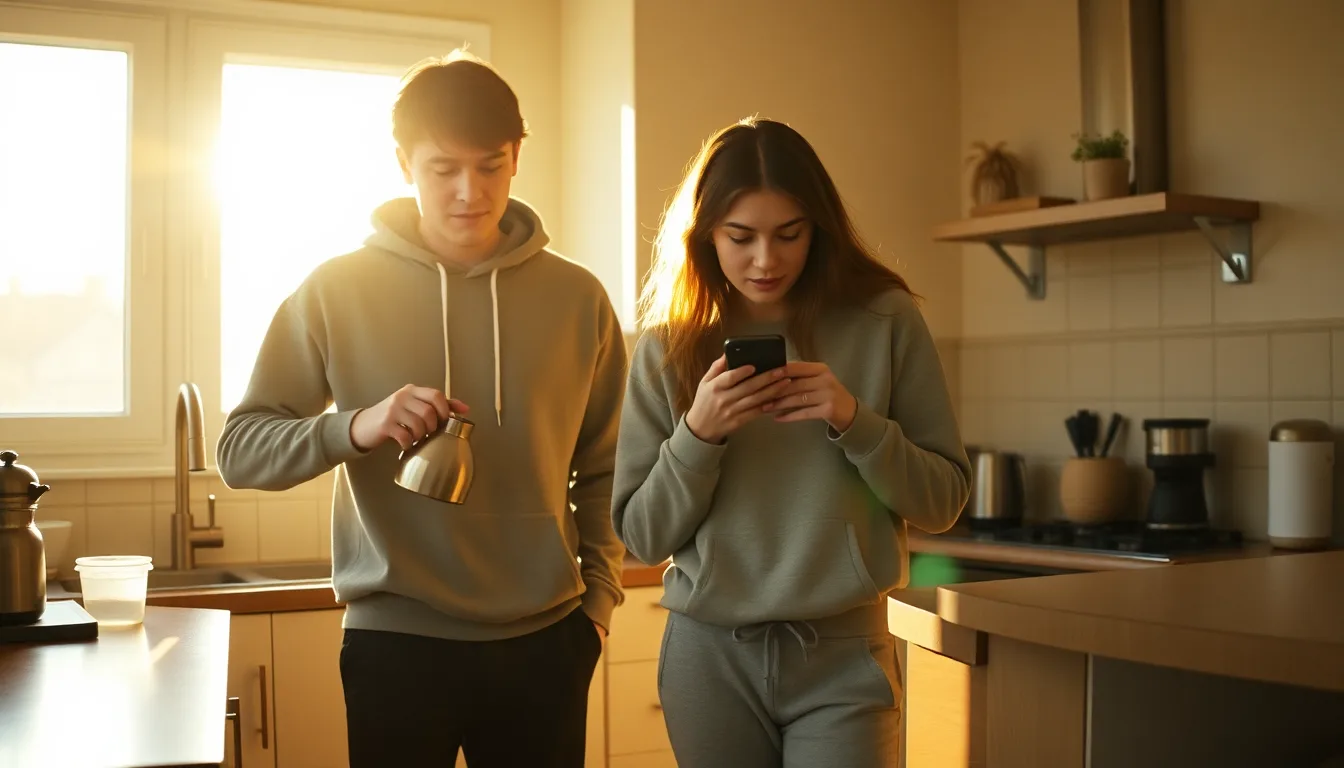
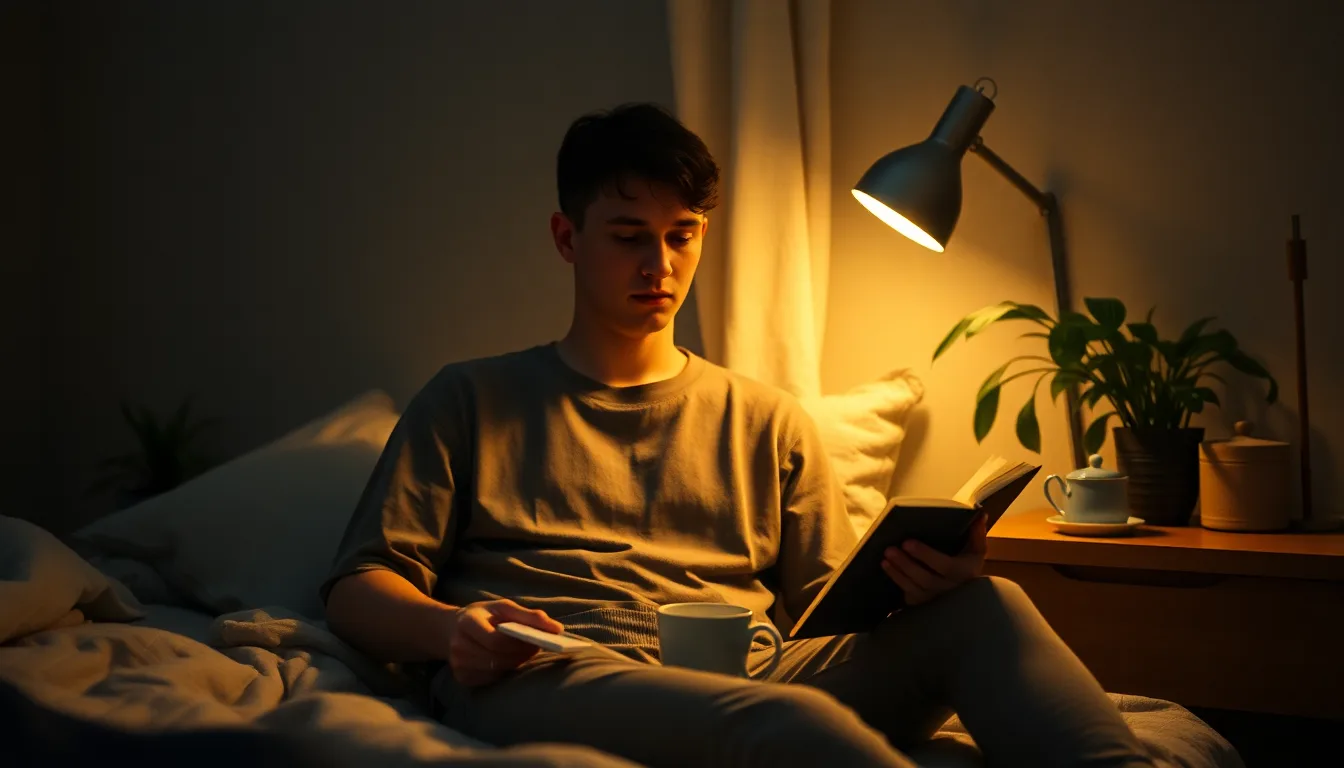
- Having a morning routine that isn't self-punishing. A walk, a coffee, a 20-minute reading thing. Not cold plunges. Not 4am gym.
- Choosing sleep over text conversations. "I'm going to bed, text you in the morning" reads as self-assured in 2026. It read as boring in 2018.
- A visible bedtime preference. "I'm a 10:30 bedtime person" on a profile hits. Two years ago it would have been a flag.
- The Sunday-morning hang. Breakfast-together people are dating breakfast-together people. Late-brunch-after-clubbing is fading.
The new red flags
On the flip side, certain things now read differently too:
- Bragging about being up late. "I never sleep" used to signal "I'm a grinder." Now it signals "I don't know what I'm doing with my body."
- Pressuring you to stay out later. Someone insisting on another round after you said you're good is increasingly read as a vibes problem.
- Incompatible sleep schedules being dismissed. "Oh you'll get used to my hours" is a flag. People's circadian rhythms are real data.
- Using "I'm a night owl" as a whole personality. Some people genuinely are. Many more are insomniacs who've branded it.
Why it's actually romantic
The deeper reason early bedtime became hot is that it's a proxy for something harder to name — the person has a life they're protecting.
Someone who's in bed at 10:30 on a Tuesday is telling you: I have things I care about tomorrow. I am not infinitely available. I am choosing quality over quantity with my hours.
That is a surprisingly attractive signal in an era where most people are trying to perform being available 24/7. Someone visibly unavailable past 11pm is visibly the owner of their own time. That reads as emotional stability more than it reads as boring.
"The sexiest thing in 2026 is someone who has a bedtime and respects it without needing to explain it."
The sleep overlap question
One of the most-overlooked compatibility questions in dating is sleep schedule. Two people whose bedtimes are more than 90 minutes apart will, in a long relationship, have a real problem they didn't see coming.
Not dealbreakable. But real. You miss each other's best hours. The morning person sees the night person's tired and the night person sees the morning person's tired, and neither gets much of the other's actually-alive version.
Ask earlier than people usually do. "What's your normal bedtime" is a completely fair question by date three. If the answer is "varies wildly," probe a little. A chaotic sleep schedule in your mid-twenties is almost always a sign of something else going on.
Early dates for early-bedtime people
If you're firmly in the bed-by-10 camp, structure your dates accordingly:
- 6:30 dinner, one drink after, home by 10. Actually perfect. Better than an 8:30 dinner with a rushed end.
- Morning coffee dates on weekends. Underrated. Nobody is their worst self at 9am. Chemistry at 9am is harder to fake than at 10pm.
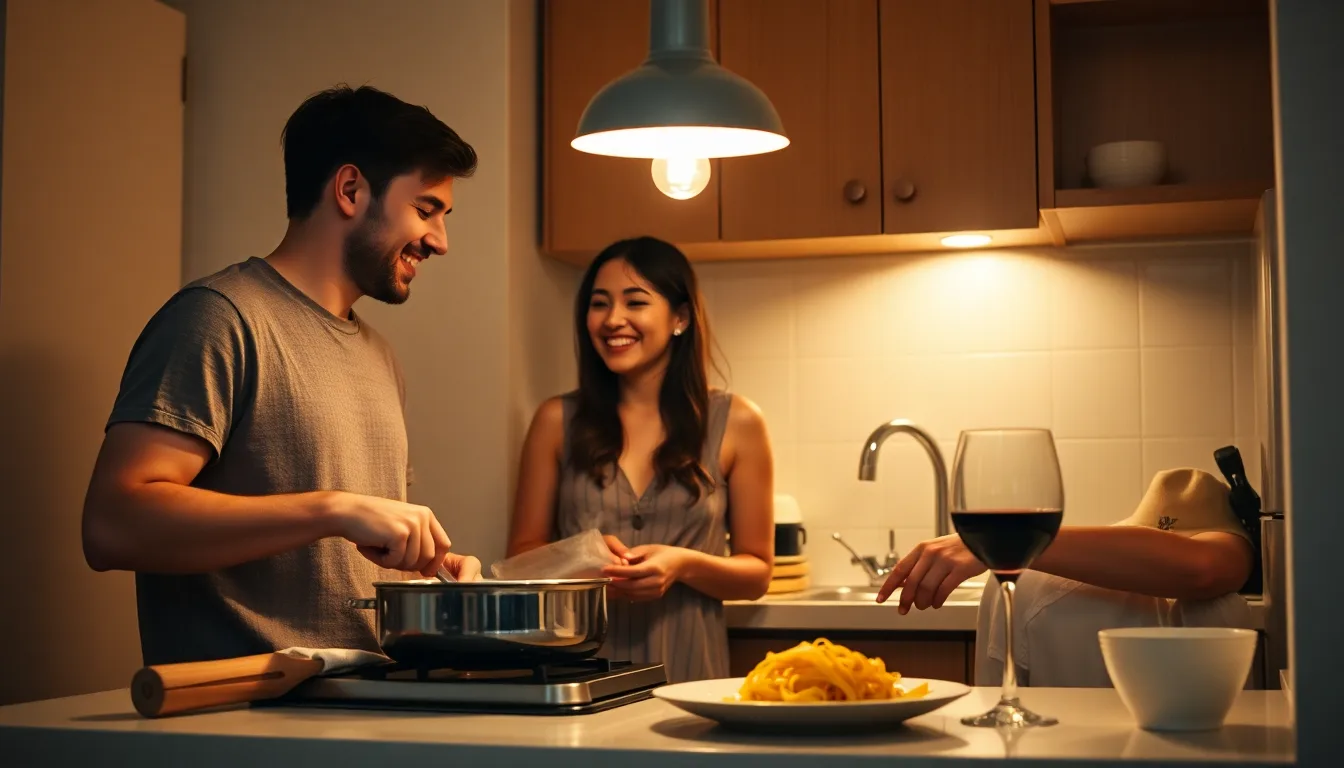
- Cooking at home on a weeknight. Starts at 7, done at 9:30, bed by 11 if they stay. Built-in natural end.
- Walk-and-dinner combos. Shorter than bar-dinner-bar. More conversation, less performance.
For the late people
If you're a genuine night owl, this isn't an attack. The rise of early-bedtime culture doesn't mean you have to change your chronotype. It means a few things:
- Be honest about it on your profile. Don't hide it, don't pretend it's flexible.
- Don't shame early-bedtime people for their hours the way you might have (jokingly) in 2018.
- Know that the dating pool of other 1am-bedtime people is smaller than it used to be. Filter for the match up front.
The calm life as an aesthetic
Zooming out, the early-bedtime thing is part of a broader move toward what people are calling the "calm life" — cooking at home, reading before bed, long walks, boring Sundays. The dating market is following that shift by making these traits attractive where they used to be neutral.
It's not a trend cycle that's about to reverse. Every piece of technology and culture is pushing our collective nervous systems harder. The people opting out of the over-stimulation are going to keep being read as grounded, desirable, and emotionally intact. That's not an aesthetic. That's just the long-term math of attention.
One small thing to try
For the next two weeks, propose dates that start at 6:30 instead of 8:30. Watch what happens to the quality of the conversation and the honesty of the date. If you've been wondering why your late-night dates keep blurring together, the timing might be doing more of the damage than you think.